
Pottawattamie County Arrest Warrants Explained
Iowa Code section 804.1 lets a magistrate issue an arrest warrant once a complaint is filed and probable cause is found. Probable cause simply means the judicial officer sees enough facts to justify the process. A citation can replace a warrant in some matters. Separately, Iowa Code section 805.5 creates a warrant route when a person willfully fails to appear on a citation. In Pottawattamie County, the trial court is the District Court in Iowa Judicial District 4. Magistrates, district judges, associate district judges, and other authorized judicial officers each act within the authority Iowa law gives them. The sheriff, city police, and other authorized peace officers then execute the warrants. The clerk keeps the court docket but makes no arrests. Those roles explain why a known matter may require both the Pottawattamie County Clerk of Court and a sheriff or jail contact before the picture is clear.
Pottawattamie Probable-Cause Warrant Path
The arrest-warrant process is a chain, and a public list entry is only one link. First comes a complaint placed before a magistrate. The judicial officer then reviews whether probable cause supports the process requested. If a warrant issues, it names the defendant and directs authorized officers to act. Iowa Code section 804.4 covers execution, section 804.6 lists who may arrest, and section 804.16 addresses timing. After an arrest, section 804.21 governs the initial appearance and release. The sheriff's public page sits later in that chain and carries a narrower scope. It describes possible active warrants held by the Pottawattamie County Sheriff's Office. That data can change, and only authorized law enforcement can confirm validity. Treat the public list as an alert and routing tool. It is not the signed warrant, the complaint, or the full docket. Save the case or cause number. Use it to ask the court about the controlling file in Pottawattamie County.
Inside a Pottawattamie County Arrest Warrant
Iowa Code section 804.2 anchors what a warrant must contain. The official Iowa Form 7, used for a failure to appear for sentencing, shows those concrete fields in practice. A Pottawattamie County sheriff row uses a separate display schema. Do not mistake it for the court order itself.
| Court warrant | Identifies the defendant and directs peace officers to act. |
|---|---|
| Case reference | A criminal case number links the order to the court matter. |
| Legal basis | Form 7 includes offense and statutory provision for its specific setting. |
| Authorization | The form carries a date and judge or clerk signature. |
| Bail order | Section 804.3 permits a bail order to be endorsed on the warrant. |
The sheriff list may add age, physical descriptors, issue date, offense, classification, warrant label, and bond type or amount. It does not include an issuing judge, an explicit row status, or a court identifier. One person in Pottawattamie County can also have multiple cases open.
Arrest and Search Warrants Differ
An arrest warrant directs officers to take a defendant into custody. A search warrant works differently. Under Iowa Code chapter 808, it authorizes a search of a person, place, or thing. The two instruments follow different legal rules and serve different aims, and a search-warrant affidavit or related material may be sealed or confidential. So never describe the Pottawattamie County active-warrant list as a public search-warrant database.
- Arrest warrant
- A judicial order directing authorized officers to arrest a defendant.
- Search warrant
- A chapter 808 order authorizing a specified search.
- Sealed record
- A record withheld from ordinary public access by law or order.
- Return
- Documentation sent to the court that reports what happened with execution.
A blank public search proves little. It cannot rule out sealed process, and it cannot establish that no other agency holds a warrant in Pottawattamie County. Ask about the known case instead of inferring from a missing row.
Serving Arrest Warrants in Pottawattamie County
The court issues the warrant; law enforcement carries it out. The Pottawattamie County Sheriff, city police, and other peace officers may execute process as Iowa law permits. The IOWA System, short for Iowa On-line Warrants & Articles, shares data among authorized criminal-justice agencies. It is not open to public searches. That restriction helps explain why a public county page can never show the full operational picture. Council Bluffs Police has an official warrant-service policy covering service, safety, risk assessment, and review. The policy describes agency practice, not a promise of when or where a warrant will be served. No one should try to locate, detain, or arrange another person's arrest. If a warrant may carry your own name, a lawyer can help plan a safe response. The Pottawattamie Clerk of Court can explain the case itself. The jail or sheriff may explain booking procedures once the court directs that route.
Council Bluffs Warrant Service Context
The Council Bluffs Police Department page links the city's warrant summary and other public resources. That city list and the Pottawattamie County sheriff list are not the same record. The city PDF is a monthly summary listing names and numbers of warrants, while the sheriff interface shows more field detail on possible active warrants held by that office.
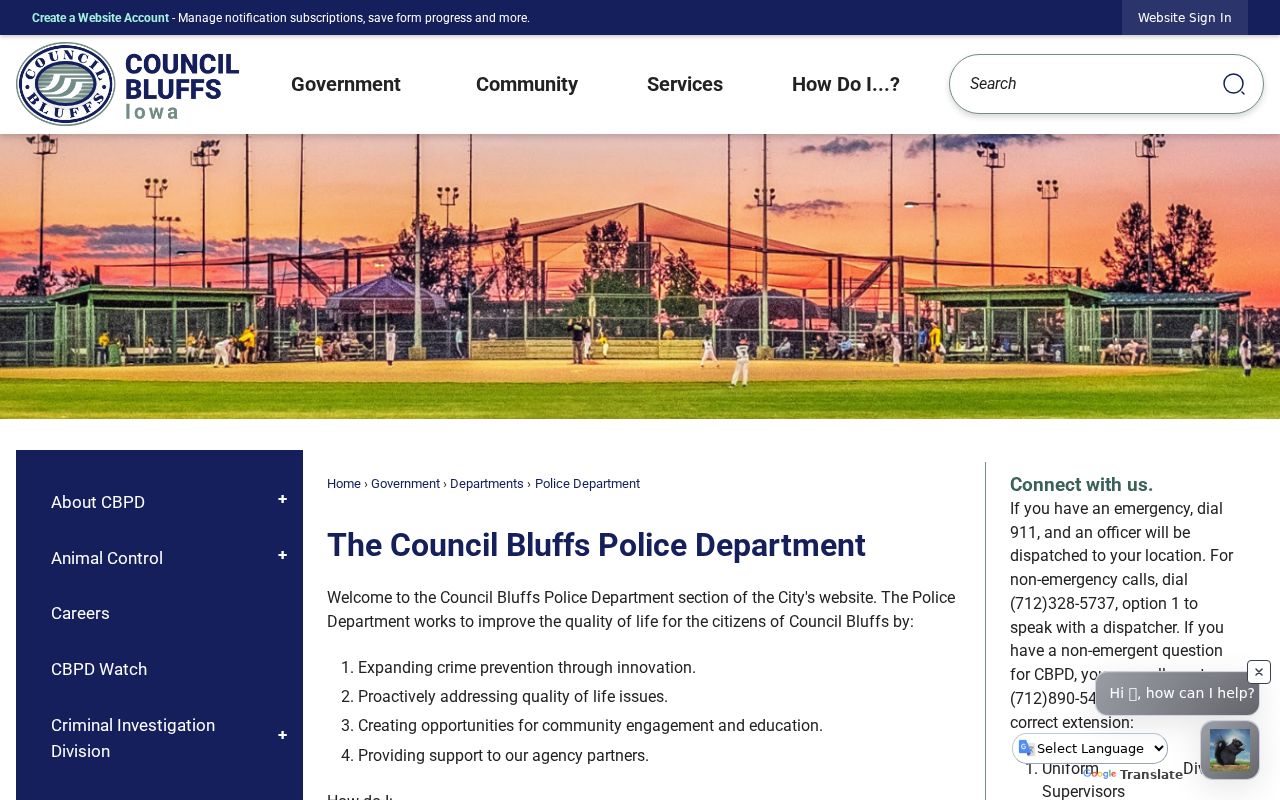
The city route can supply a lead. It cannot replace the Pottawattamie County court file, which stays central to any Council Bluffs case. The city PDF carries no offense, case number, bond, status, or issue date. It also shows no disclaimer. A monthly summary cannot certify which warrants remain active today.
Comparing Arrest, Summons, and Bench Warrants
An arrest warrant, a summons, and a bench warrant each bring a person before the court by different routes. Iowa's FTA statute speaks in arrest-warrant terms even when the trouble began with a missed citation appearance in Pottawattamie County. The linked case shows how that plays out.
| Process | Usual basis | Immediate function |
|---|---|---|
| Arrest warrant | Complaint and probable cause, or statutory FTA | Directs officers to arrest |
| Summons | Court process requiring a response | Directs appearance without the same arrest command |
| Bench warrant | Missed appearance or court-order problem | Authorizes custody in an existing matter |
All three can end in a court date. The resolution routes differ, though, and paying alone may not recall a warrant in Pottawattamie County. Treat a summons as a summons, not an arrest, and treat a BENCH label as no proof of a new offense. The bench warrant search covers the local failure-to-appear route, and the clerk can state what the docket actually requires.
Confirming a Pottawattamie Arrest Warrant
Begin at the Pottawattamie County Sheriff warrant landing page, read its warning, and open the vendor list. Search by a person's own name or charge. The sheriff does not document how the matching works, including partial matches. If a hit appears, write down the case number, issue date, warrant label, offense label, and bond display before any official follow-up.
- Search the possible-active list and preserve only details needed for your inquiry.
- Use Iowa Courts Online by name, case ID, or citation number to locate a case; it is not a warrant database.
- Contact the Pottawattamie County Clerk of Court at 712-328-5604 for the court record and next step.
- Use sheriff Records, Civil, or Jail contacts for process guidance if the clerk or counsel directs that route.
- For city or federal process, use the issuing city source or Southern District of Iowa route.
The Pottawattamie County Sheriff states plainly that warrant information is not given by phone. No other number serves as a confirmation line, so treat any call as a way to learn process, not status.
If There's an Arrest Warrant for You
Never ignore a possible Pottawattamie County arrest warrant. Never assume an online payment removes it either. Confirm the case first with the Pottawattamie County Clerk of Court. Then ask what comes next: an appearance, a motion, bond, surrender instructions, a payment plan, or an attorney filing. The right answer turns on the charge, the case stage, past appearances, and the current order.
Act carefully: Contact a lawyer and issuing court before appearing; do not rely on a public list for current custody or bond instructions.
Release and its conditions run through Iowa Code chapter 811. A public row may show Cash Only, Cash/Surety, or No Bond. Those fields can change and may leave conditions out. Ask whether the person is bailable, whether a judge must address release, what bond type is accepted, and what identification to bring. Pottawattamie County runs no warrant-amnesty event and no public walk-in resolution docket.
Pottawattamie Arrest Warrant Offices
The clerk is the public court contact for Iowa Judicial District 4. It keeps the docket but makes no arrests. The Pottawattamie County Sheriff, in turn, offers the possible-active warrant list, records contacts, and jail channels. Because its warrant page withholds phone information, calls there should seek routing, not confirmation.
Clerk of Court
227 South 6th Street, P.O. Box 476
Council Bluffs, IA 51502
712-328-5604
CountyClerk.Pottawattamie@iowacourts.gov
Sheriff and Jail
1400 Big Lake Road, Council Bluffs
Records: 712-890-2236
Jail booking: 712-890-2260
Iowa Code chapter 22 governs court-record requests, allowing inspection or copying subject to exceptions and fees. Juvenile, investigative, and sealed records face limits. Give the clerk a case number, date range, record type, and preferred format. Broad requests can demand staff time, review, and redaction. A narrow request also helps the clerk pull the right Pottawattamie County arrest warrant file without dragging in unrelated records.